


I met someone recently and we were hanging out and, as conversations in your late twenties and early thirties tend to do, ours drifted towards relationships. The part where people admit what they’ve stopped tolerating. We talked about the fatigue of dating, the private negotiations you do with yourself you , the ways you can feel lonely even while being wanted.
He paused for a second, like he was deciding whether to be polite or accurate. Then he said, almost casually: Man. You’re someone I’d date. But you seem really high maintenance.
A few years ago I would have flailed. I would have performed chill. I would have rushed to reassure him that I’m easy, low-effort, not like that, not a problem, not too much. Anything but the thing he’d just named. I would have shaved down the truth right in front of him, like it was embarrassing to take up space. And I would have left the conversation with that familiar, sour aftertaste: why did I make myself smaller again?
But this time, I just sat with it. Smiles at him. Let the words hang in the air. And in that silence, I realised something funny: he wasn’t wrong. Not in the way he meant it, but in the way that matters.
Yes. I am high maintenance. Not because I need constant proving, but because I have grown up in a life that has been, quite literally, maintained. I have been loved in ways that built who I am today.
The Lexicon of Diminishment
Before we go any further, let us talk about what high maintenance actually means when it is lobbed at a woman. It is a warning label, a disqualifier, a way of saying: you ask for too much. Not too much of anything specific, mind you. Just too much in general. Too much attention. Too much care. Too much consideration. Too much presence in the relationship, you are supposedly sharing equally.
The terminology belongs to a broader vocabulary designed to pathologise women who have standards: gold digger, drama queen, high maintenance, demanding, needy, clingy, too much. These words share a common function - they reframe reasonable expectations as character flaws. They turn wanting things into a kind of greed. They suggest that the correct amount of needs for a woman to have is, conveniently, zero.
Consider how rarely men are described using this vocabulary. A man who expects his partner to cook, clean, manage the household, remember his mother’s birthday, and be sexually available on demand is simply a man with standards. A woman who expects emotional reciprocity and consistent effort is high maintenance. A man who wants his shirts ironed is particular. A woman who wants her feelings acknowledged is needy. The asymmetry is built into the language itself.
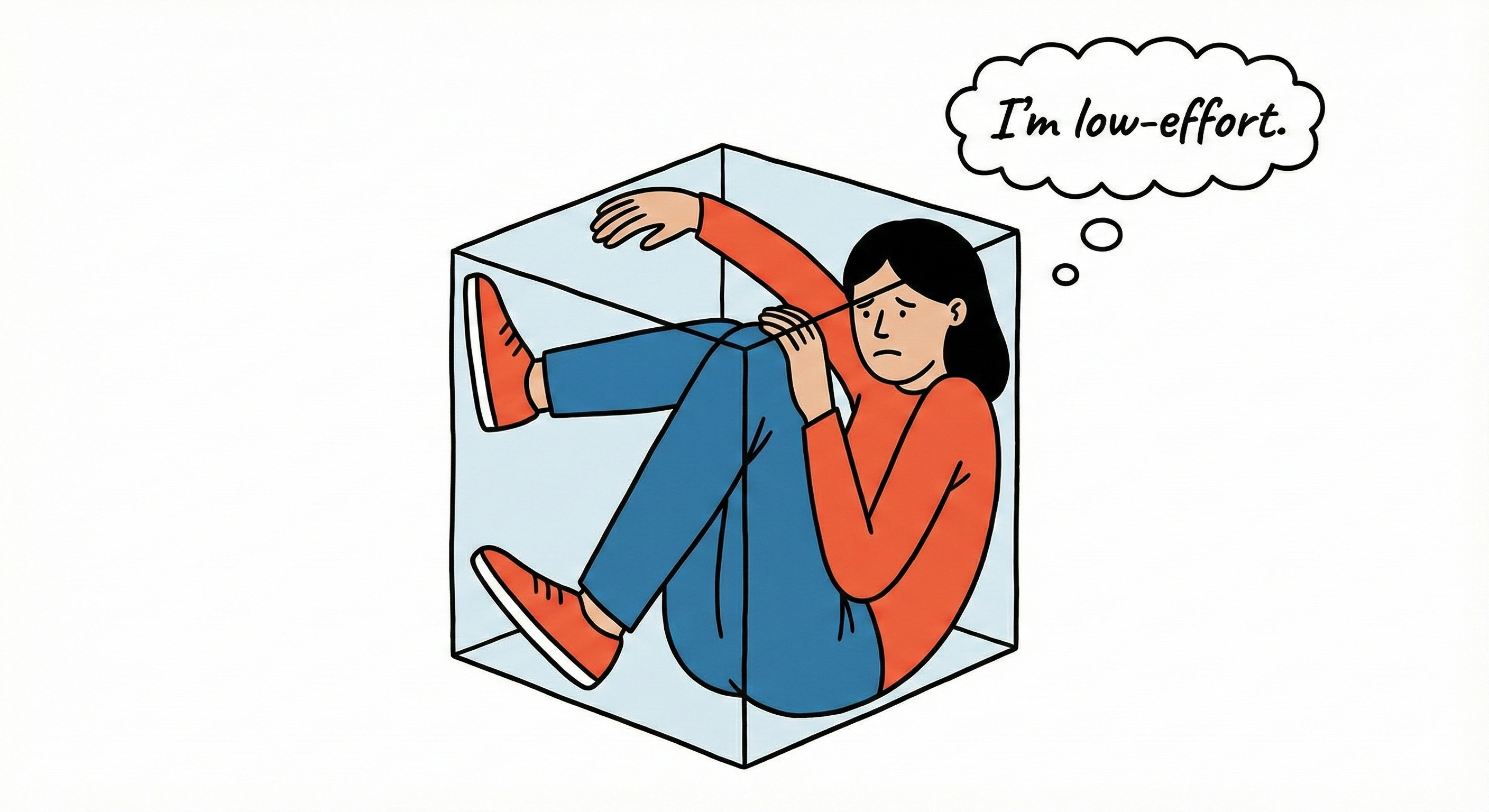
The manosphere has industrialised this vocabulary. Online communities united by opposition to feminism have created elaborate taxonomies of female worth: high value versus low value women, the hierarchy of Stacys and Beckys, the endless calculation of sexual market value. According to the Institute for Strategic Dialogue, these communities share core beliefs that women are driven primarily by greed and sexual manipulation, that feminism has created a society biased against men, and that traditional gender hierarchies need restoration. The Red Pill ideology, borrowed from The Matrix, positions itself as an awakening to truth: the supposed reality that women are fundamentally deceptive, ‘hypergamous’, and unworthy of trust.
The UN Women explainer on the manosphere notes that this content is gaining significant traction: according to the Movember Foundation, two-thirds of young men regularly engage with masculinity influencers online. The effect is not theoretical. Academic research on manosphere communities found that their shared ideology reduces women to three primary motives: to deceive and manipulate men, to satisfy their own sexual needs promiscuously, and to trade sex for power. Women who have standards , who ask for effort, commitment, or care, are automatically suspect. The acronym AWALT (All Women Are Like That) is used to dismiss any evidence that individual women might differ from the stereotype.
The vocabulary extends beyond the manosphere into mainstream dating discourse. The ‘high-value woman’ discourse, which appears on TikTok and Instagram with billions of views, often reproduces the same reductive framework it claims to subvert. Both the Red Pill men and the high value women content creators agree on one thing: dating is a marketplace, and your worth can be calculated. They just disagree on who is overvaluing and who is underselling.

The manosphere’s language of female classification is not actually that different from mainstream dating culture. It is just saying the silent part out loud. When a woman is called high maintenance in casual conversation, she is being assessed against the same invisible rubric. The ideal woman is supposed to be hot but not vain, sexually available but not promiscuous, successful but not intimidating, present but not needy. She is supposed to have needs that are somehow met without anyone having to meet them.
The Mythology of Chill
Gillian Flynn gave us the definitive diagnosis of this phenomenon in Gone Girl. The Cool Girl monologue has echoed through a decade of cultural conversation, and for good reason. It named something women had been performing without language for it:
Being the Cool Girl means I am a hot, brilliant, funny woman who adores football, poker, dirty jokes, and burping, who plays video games, drinks cheap beer... Cool Girls never get angry; they only smile in a chagrined, loving manner and let their men do whatever they want.
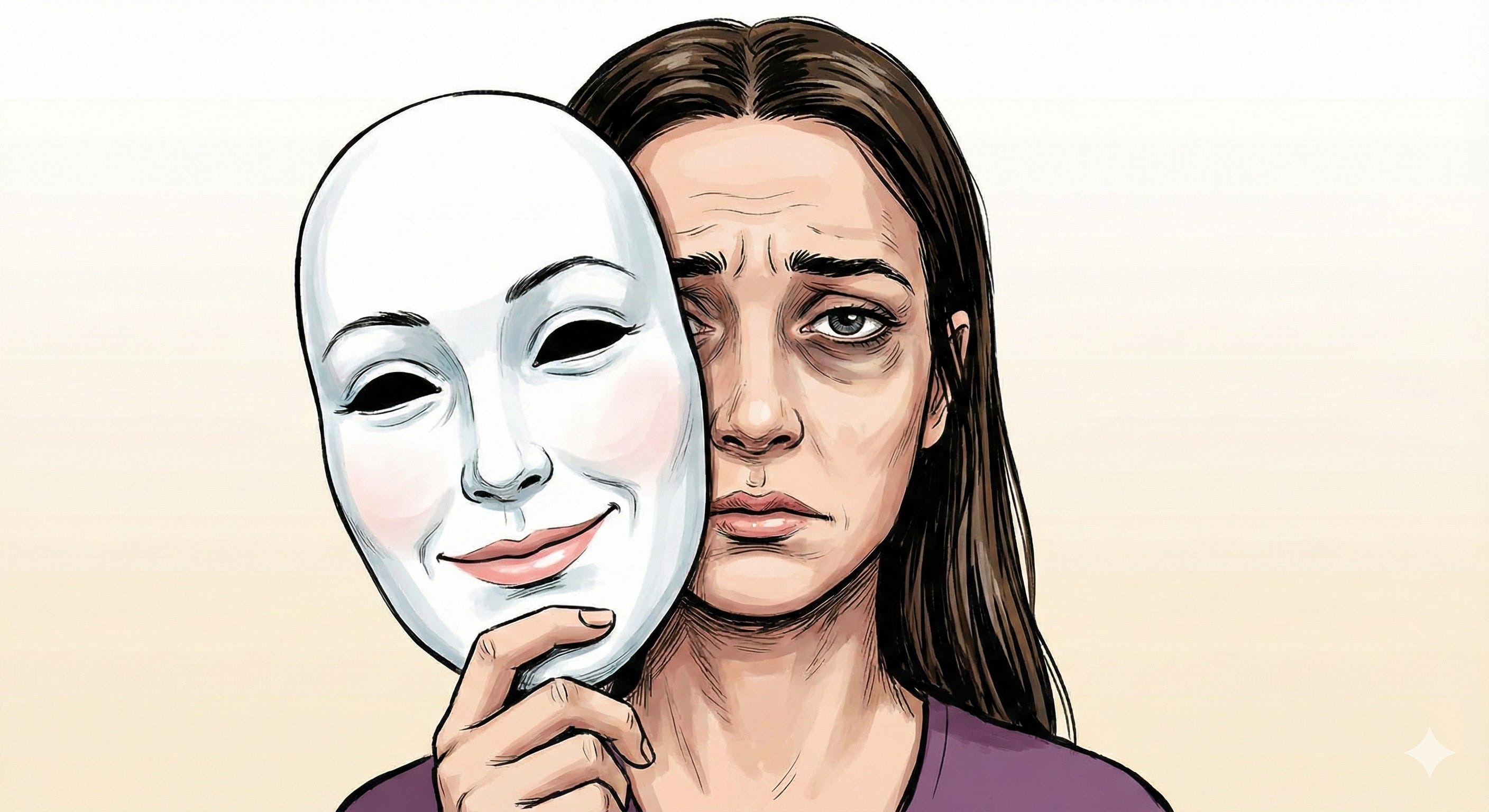
The Cool Girl does not exist, of course. She is a projection, a fantasy of a woman with no interior life that might inconvenience anyone. Flynn’s sharpest observation was not about the men who want this woman. It was about the women willing to perform her: They’re not even pretending to be the woman they want to be, they’re pretending to be the woman a man wants them to be.
And Flynn did not let women off the hook. The Cool Girls, she wrote, are even more pathetic than the men fooled by them because at least the men think they are dating a real person. The Cool Girl knows she is performing a fiction, knows she is erasing herself, and does it anyway. The question Flynn leaves us with is: why? What makes the performance worth the self-annihilation? And more importantly: what would happen if women just stopped?
Studies on emotional labour in relationships consistently find that women do the majority of what sociologists call emotion work, the task of managing feelings, maintaining connection, smoothing conflict, and ensuring relationship harmony. One study found that even in couples who described their relationships in the language of equality, none achieved actual equality; the women gave more and received less emotional nurturing than their partners.
The concept of emotional labour was first defined by sociologist Arlie Hochschild in 1983 to describe the work service industry employees do to manage their emotions for customers. But the term has since expanded to capture the invisible work women do in relationships: anticipating needs, managing schedules, remembering birthdays, initiating difficult conversations, smoothing over conflicts, tracking everyone’s emotional states. This work is largely invisible precisely because it is done well. You only notice its absence when relationships start to fray.
The chill girl is just the romantic version of this unpaid labourer. Research shows that women are socialized to prioritize relationship harmony over personal needs, to accommodate rather than assert, to be liked rather than respected. The cool girl is just that socialization dressed up in a crop top, saying I’m so chill while internally screaming into her pillow.
The pressure to be chill starts early and compounds over time. Relationship therapists note that women are told to be confident but not bossy, assertive but not needy, supportive but never high maintenance. Being chill becomes a survival strategy; a way to avoid rejection, criticism, or being labelled difficult. But it comes at a cost: suppressed opinions to avoid being too intense, minimised needs to appear easygoing, relationships that feel fundamentally unequal.
The situationship epidemic has made this worse. When relationships exist in deliberate ambiguity, asking for clarity becomes a violation of the unspoken rules. Women are automatically viewed as obsessed if they simply ask what someone wants; emotional detachment and being chill with whatever become survival strategies rather than authentic preferences. In situationships, the chill girl performance becomes mandatory. To ask where this is going is to be too much. To want commitment is to be needy. To have feelings about how you are treated is to be crazy.
The result is a generation of women performing low maintenance so convincingly they almost believe it themselves. Almost.
The Philosophers of Full Selfhood
The feminist philosophers saw this coming. Simone de Beauvoir’s central insight in The Second Sex was that women are made, not born. Femininity is not natural or innate, it is a condition of socialisation. One is not born, but rather becomes, a woman, she wrote. The becoming includes learning to accommodate, to efface, to shrink one’s desires into whatever shape will cause the least friction.
De Beauvoir was particularly sharp on how this plays out in love. She observed that women are taught to define themselves through their relationships to men rather than through their own projects and pursuits. Woman is shut up in a kitchen or in a boudoir, and astonishment is expressed that her horizon is limited. Her wings are clipped, and it is found deplorable that she cannot fly.
The trap de Beauvoir identified is that women are encouraged to seek transcendence (meaning, purpose, self-realisation) through love and through men, rather than through their own projects. This makes love not a meeting of equals but a form of self-abandonment. The woman in love, de Beauvoir wrote, loses herself in the beloved, makes herself an object rather than a subject. She waits. She adapts. She becomes what he wants rather than what she is.
She dreamed of something different: On the day when it will be possible for woman to love not in her weakness but in her strength, not to escape herself but to find herself, not to abase herself but to assert herself - on that day love will become for her, as for man, a source of life and not of mortal danger.
Joan Didion approached the same territory from a different angle. Her 1961 essay On Self-Respect remains one of the most precise diagnoses of what is lost when we perform versions of ourselves to gain approval. Self-respect, she argued, has nothing to do with the approval of others and everything to do with the ability to face yourself honestly. Character - the willingness to accept responsibility for one’s own life - is the source from which self-respect springs.
Didion’s essay begins with a failure, her failure to be elected to Phi Beta Kappa as a college student, and uses it as a jumping-off point for examining the difference between genuine self-regard and the desperate need for external validation. The lesson she learned from that disappointment was that there was no such thing as automatic approval, that the world would not organize itself around her expectations simply because she existed. This was, in its way, liberating. Once you stop expecting validation, you can start building something real.
Didion’s crucial observation was that without self-respect, we become trapped in an exhausting performance: To do without self-respect is to be an unwilling audience of one to an interminable documentary that details one’s failings. The singular power of self-respect, she wrote, is that it frees us from the expectations of others and gives us back to ourselves.
But what happens when we try to find ourselves and find no one home? Didion’s warning echoes across the decades: Without it, one eventually discovers the final turn of the screw: one runs away to find oneself, and finds no one at home. The chill girl who has spent years performing a version of herself that does not exist may eventually realize she has no idea who she actually is.
bell hooks brought love itself under examination. In All About Love, she argued that we have been taught a distorted version of love, one that centres power and control rather than mutual care. hooks defined love not as a feeling but as an action: the will to nurture the spiritual growth of oneself and another. By this definition, relationships characterised by domination, manipulation, or neglect, no matter how intense the feelings involved, are not love at all.
hooks was particularly incisive about how women confuse love with self-sacrifice. All too often women believe it is a sign of commitment, an expression of love, to endure unkindness or cruelty, to forgive and forget. In actuality, when we love rightly we know that the healthy, loving response to cruelty and abuse is putting ourselves out of harm’s way.
hooks identified what so many women learn too late: The one person who will never leave us, whom we will never lose, is ourself. Learning to love our female selves is where our search for love must begin. This is not narcissism. It is foundation-building. It is understanding that you cannot receive from others what you withhold from yourself.
The Data Does Not Lie
Here is where the research gets interesting. Women who have standards - who are, by the reductive vocabulary of dating culture, high maintenance - actually fare better.
According to research from the American Sociological Association, women initiate approximately 70% of divorces. This trend appears even more pronounced among college-educated couples. The most common reasons women cite for divorce include emotional and verbal neglect, unequal distribution of household and emotional labour, and simply that their needs were not being met. Notably, many husbands reported being completely surprised by their wife’s dissatisfaction. More than 25% said they were blindsided by the divorce request.
This blindsiding speaks to a profound communication gap, or perhaps more accurately, a listening gap. Many men in these studies described themselves as good providers who worked hard to ensure financial security, focused on what they assumed to be their primary role. But their wives were not asking for bigger houses. They were asking to be seen, heard, and partnered with. The disconnect between what men thought they were providing and what women actually needed is a case study in how gendered expectations distort relationships.
Women who initiate divorce report higher levels of well-being after the separation, despite often facing greater financial challenges. Research from Kingston Business School found that women who divorced were much happier than their male counterparts, even accounting for the negative financial impact. The explanation offered: Women who enter into an unhappy marriage feel much more liberated after divorce than their male counterparts.
But why?
Women are more likely to seek professional help during and after divorce. They are more likely to build supportive networks. They are less likely to rely on substances to cope and more likely to turn to experiences that enrich them. Men, by contrast, often show a persistent reliance on marriage for care and companionship, hence the higher rates of remarriage among divorced men. Studies consistently find that marriage extends more health and longevity benefits to men than to women, suggesting that men have more to lose when marriages end.
Perhaps most telling: research shows that in unmarried couples, men and women end relationships at equal rates. It is specifically in marriage that women dominate the exit. As Stanford sociologist Michael Rosenfeld noted, this supports the feminist assertion that some women experience heterosexual marriage as oppressive or uncomfortable. Marriage as an institution, it seems, has been slow to catch up with expectations for gender equality.
The emotional labour research tells a similar story. Women in heterosexual relationships consistently report doing more emotion work than their partners. Remembering the appointments, managing the social calendar, noticing when something is wrong, initiating difficult conversations, managing everyone’s feelings during conflict. A 2016 survey found that 75% of women would rather be alone, successful, and happy than in a relationship where they are not happy, compared to 58% of men.
The conclusion writes itself: women with standards who are willing to enforce them end up happier, even when the short-term cost is walking away. The high maintenance label is a scare tactic. The data suggests it should be a goal.
The Architecture of a Full Life
I grew up rarely being told no where it mattered. Not spoilt in the bratty sense - though also that! - but spoilt in the sense that my wanting was taken seriously. Study what you love. Change your mind. Take the risk. Start again. Become someone else. My life was not built around shrinking my desires into something manageable. It was built around making space for them to exist.
That kind of upbringing rewires you. It teaches you that your life is yours.
And I grew up watching love done in full sentences. Parents who loved each other with the kind of devotion that does not require an audience, does not need proof, does not keep score. The kind of love that shows up in choices, in plans, in loyalty, in the shape of a shared life, even when things were impossibly hard. When you have seen that up close, you stop confusing intensity with intimacy.
So I grew into a woman who does not experience care as a rare event. I have a village. A big one. It is not theoretical. It is practical. It calls. It checks in. It remembers. It pulls up. It celebrates without turning it into a competition. It holds my joy like joy is allowed to be loud, and my grief like it is allowed to be real.
My life, in other words, is already full. It has momentum. It has weight. Work I care about. Friendships that steady me. Family that makes me feel held even when I am being difficult. Routines that keep my mind from eating itself. Small pleasures I have built on purpose. And a kind of pleasure in my own company that I had to fight for, earn, defend.
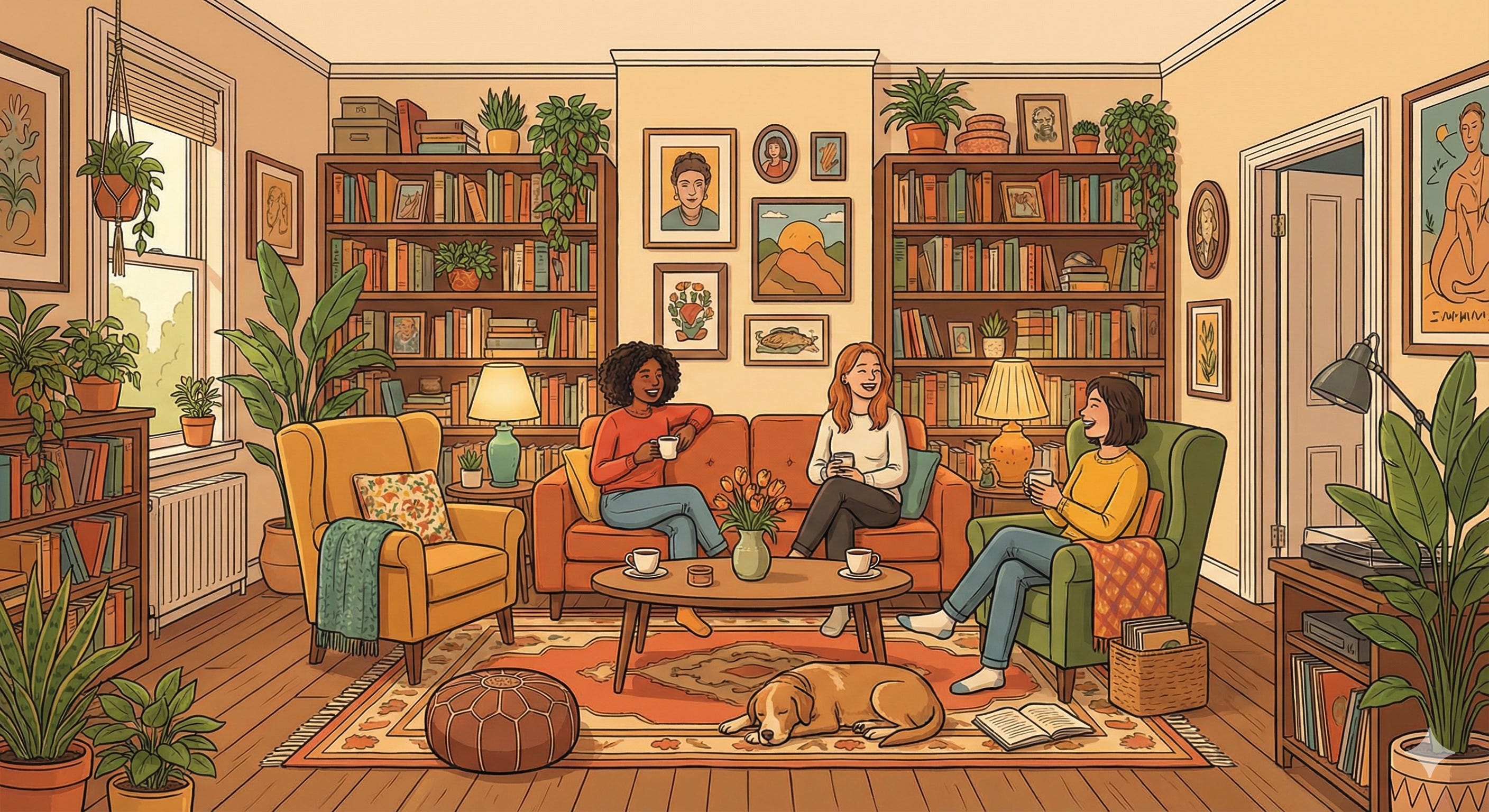
So yes, when someone arrives, they are not entering empty space. They are entering a home. A home with furniture I chose carefully, with windows I learned how to open, with corners I softened myself. You have to be an exceptional person to make me want to rearrange it. You have to add, expand, widen, make me want to shift the bones of what already holds me up.
That is the part people do not like, because it removes the romance of winning a woman who is lonely. If I am loved well already, you cannot impress me with crumbs. If I am supported, you cannot confuse me with inconsistency. If my life is rich, your effort has to be real, not loud, not grand, not performative. Real like consistency. Real like repair. Real like showing up twice, the same way, without being asked.
The Economics of Desire
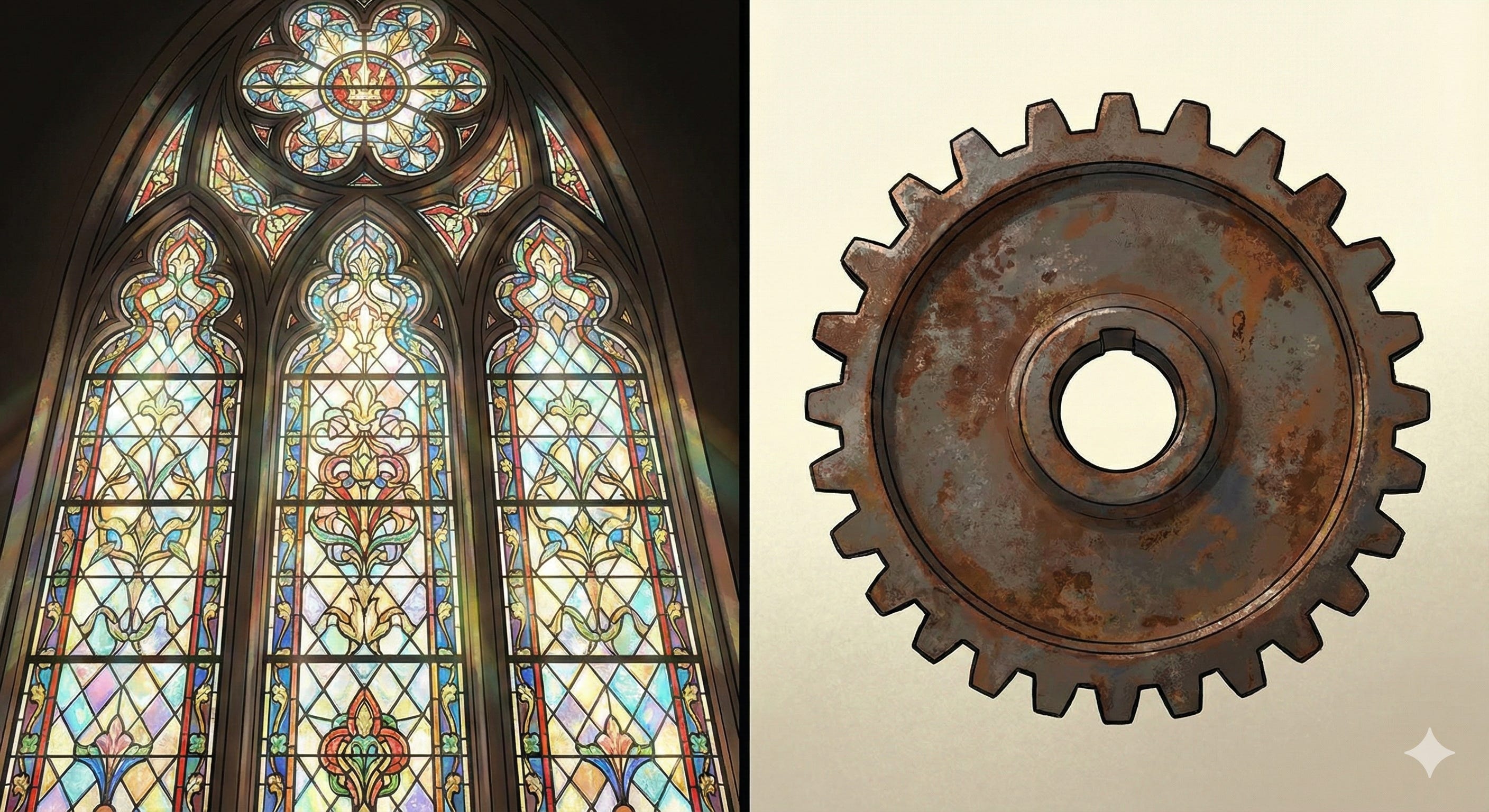
There is a reason the language of maintenance comes from machines, not from people. High-maintenance cars require expensive parts, regular servicing, and specialised mechanics. The implication when applied to women is clear: you are a costly investment with uncertain returns. The calculus is explicitly transactional - what do I get for what I put in?
This framing reveals something crucial about how we have been taught to think about relationships. The high-maintenance accusation assumes that love is a zero-sum exchange, that every need met by a partner is a debit from some invisible account, that the ideal relationship is one where you get maximum output for minimum input. It is the language of efficiency applied to intimacy, and it is fundamentally dehumanising.
But consider what the term actually describes when stripped of its judgment: a person who knows what they need and communicates it clearly. A person with standards they are willing to articulate. A person who will not pretend to be satisfied with less than they require. In any other context, we would call this self-awareness. We would call it emotional intelligence. We would call it healthy.
The low-maintenance woman, by contrast, is celebrated precisely for her lack of demands. She is easy. She is simple. She is no trouble at all. But what does that actually mean in practice? It means she swallows her disappointments. It means she does not ask for things to be different. It means she has learned that her needs are inconvenient and has preemptively minimised them. The low-maintenance woman is often not actually low-maintenance at all. She has simply internalised the work of managing her own unmet needs so thoroughly that it has become invisible.
We are raised in a culture that explicitly trains women for self-abnegation, where the highest compliment for a woman is often that she adjusted well, where maternal sacrifice is elevated to religious status, where asking for oneself is considered selfish and unfeminine. The cool girl here is just the Western packaging for something our grandmothers would recognise immediately: the good woman who wants nothing, needs nothing, causes no trouble.
The economics of desire only make sense if you believe that meeting someone’s needs is fundamentally costly rather than fundamentally rewarding. But anyone who has been in a genuinely good relationship knows that caring for someone you love is not a drain, it’s one of life’s greatest pleasures. The effort you put in comes back transformed. The problem is not that some women require too much care. The problem is that some men experience any care requirement as excessive.
The Threshold, Not the Type
High-maintenance is not a personality type. It is a threshold. A line. It is what happens when you stop negotiating against yourself. It is what happens when you stop treating your needs like they are embarrassing and start treating them like information.
Most women are not low maintenance. They are under-loved and over-adapted. They have been taught that being chosen is about being easy, and that being easy is about having no appetite. No needs, no boundaries, no preferences that might inconvenience someone else. So they become fluent in self-erasure. They call it maturity. They call it being cool, even while it hollows them out.
Becoming high maintenance starts in a very unsexy place: you stop auditioning. You stop sanding down your edges so someone can hold you without getting hurt. You stop laughing when something feels wrong. You stop saying it is fine when your body is already tallying the cost. You let the discomfort exist long enough to actually learn what it is telling you.
Then you build a life that does not feel like waiting. Not a busy life. A full one. Friendships you do not abandon the second a man texts. Work you respect. Money habits that make you feel safe. Rituals that belong to you: morning walks, a gym routine, Sunday calls with your people, a savings rule you do not break, a home you are proud of. A life that says: I am not here to be picked. I am here to be lived.
When your life is full, you become harder to manipulate, not because you are cold, but because you are not starved. Attention stops being intoxicating when you are already seen. Mixed signals stop being exciting when you know what steadiness feels like. You stop chasing potential like it is a personality trait. You stop dating almost. You start noticing what someone consistently makes you feel: small or steady.
You also stop romanticising confusion. You stop calling anxiety butterflies. You stop thinking maybe is a mysterious love language. You stop confusing obsession for devotion. You start preferring the kind of love that is repetitive in the best way: ordinary, sturdy, slightly boring, deeply safe. The kind of love that does not spike your cortisol before it kisses you.
And you start guarding your peace like you have paid for it. Because you have. You paid for it with lonely nights and hard conversations and the humiliating work of learning yourself. With therapy or gym or prayer or whatever stitched you back together. With choosing yourself when it would have been easier not to.
The Question That Changes
At some point, the question changes. You stop asking, Will he choose me? and start asking, Does he fit into the life I have built?
A relationship is not a prize. It is a choice. And you are allowed to want a beautiful one, one that matches your standards, your pace, your dignity. One that does not require you to betray yourself to keep it.
bell hooks wrote that Love cannot exist in any relationship that is based on domination and coercion. She was talking about systems, but she was also talking about the micro-negotiations of everyday partnership. The relationship where one person’s comfort always trumps the other’s needs. The dynamic where stating a preference becomes making demands. The love that requires you to shrink to fit inside it.
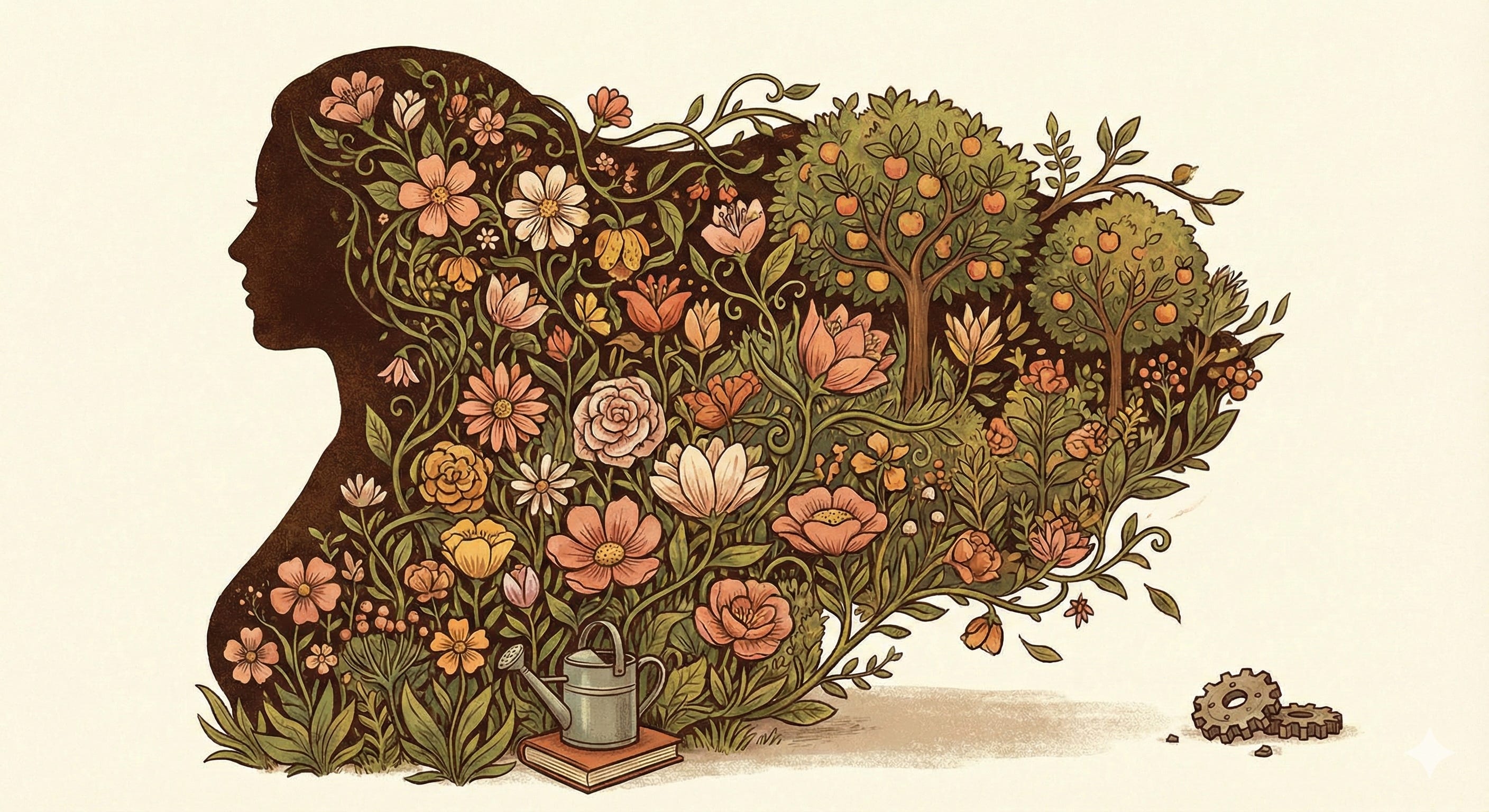
We are living in a moment where those conditions are finally, unevenly, emerging. Women have unprecedented access to education, work, and financial independence. We can build lives that do not require marriage for survival. And increasingly, we are using that freedom not to avoid relationships but to demand better ones.
The manosphere sees this as a crisis. They interpret women’s rising standards as evidence of corruption, manipulation, hypergamy run amok. They have built an entire mythology around the idea that women with expectations are fundamentally broken. The irony is that their ideology often makes its adherents less, not more, attractive as partners. Research on former Red Pillers shows that many left because the ideology made them worse at relationships, not better.
But maybe what they are actually witnessing is women refusing to perform gratitude for the bare minimum. Maybe what looks like too high standards is just what happens when women have options. The real crisis, perhaps, is not that women want too much. It is that some men want relationships without the work of deserving them.
The Invitation
If that word, high maintenance, is supposed to scare me into being easier, it is about ten years late. I have outgrown the urge to be digestible.
This is not about becoming cold or closed off or impossible to please. It is about understanding that your standards are not obstacles to love. They are directions to it. They are information about what you need to feel safe, seen, and held. And anyone who treats that information as a burden has already told you something important about what they are offering.
The chill girl performance was always a losing game. You carve yourself down to be easier, and then you are chosen for a version of yourself that does not exist. You maintain the performance until you cannot, and then you are accused of changing, of being different from who you seemed. The mask always slips eventually. Better to never put it on.
Didion wrote about the ability to discriminate, to love and to remain indifferent. That is what self-respect gives you: the capacity to care deeply about what matters and release what does not. To know that not everyone will choose you and to understand that this is not a failure, it is a filter. It is the mechanism that ensures the people who stay are the ones who actually want what you are actually offering.
So here is my invitation to anyone who has spent years performing chill to be loved:
Stop. Just stop.
Build a life that is full without a relationship at its centre. Cultivate friendships that feel like home. Find work that engages you. Create rituals of pleasure and rest. Learn what you need to feel safe, and practice asking for it out loud. Become the kind of person who does not abandon herself the second someone shows interest.
And then, from that fullness, decide who you are willing to rearrange the furniture for. Notice that the question has changed. It is not Does he like me? It is Does he enhance this life I have built? It is not Am I too much? It is Is he enough?
If you are in your high-maintenance era, where love has to match the life you have already built, welcome. Stay as long as you like.
And send this to the friend who keeps shrinking herself for men who have not expanded at all.
We are not doing that in 2026.
Self-respect is a discipline, a habit of mind that can never be faked but can be developed, trained, coaxed forth.
- Joan Didion
This really made me rethink my youth.
So many of us older women noticed this imbalance years ago , but we learned to bury it, to soften ourselves, to conform to what was expected, because that’s how we survived.
Reading this gives me real joy. There’s something powerful about watching younger women name what we were taught to swallow.
Thank you for writing this so clearly.
It's funny how ‘high maintenance’ often just means ‘won’t tolerate low effort.’ Language really does the patriarchy’s PR work.